


Focused despite stress: How project managers keep their team on track

Projects often involve a great deal of pressure and numerous challenges—for both project managers and team members. It can be particularly difficult to stay focused in dynamic work environments where employees are working on multiple projects simultaneously or have additional responsibilities. Stress, conflicting priorities, and constant interruptions are just a few of the factors that can impair a team’s concentration and efficiency. This makes it all the more important for project managers to use targeted methods to keep their team on track, minimize distractions, and organize the workload in a way that doesn’t compromise motivation and productivity. In this article, we explore effective approaches that help teams stay focused and successfully complete projects.
1. clear planning
Only with clear planning can the team stay on the same page and work with focus. Therefore, a few questions should be answered before the project begins. What is the goal? What steps need to be taken to achieve it? Who does what? How will communication take place, and where is important data stored? Clear structures help avoid distractions.
- Goals: Defining clear goals provides the team with direction and establishes priorities. When everyone knows what the overarching goal is and what milestones need to be achieved along the way, it’s easier to stay focused. Ideally, goals should be formulated using the SMART method (specific, measurable, achievable, relevant, and time-bound) to make expectations for the team clear. However, it’s important to note that goals should be reviewed regularly, as they may change as a project progresses. In such cases, they should be adjusted as quickly as possible to avoid distractions.
- Responsibilities: Each team member should know exactly which tasks fall within their area of responsibility. This prevents duplication of effort, allowing everyone to focus on their own tasks. Clearly defined roles also ensure that the team works more efficiently, since there is no confusion about who is responsible for what.
- Communication Channels: Effective communication also requires clear, predefined channels and methods. Therefore, it should be established from the outset what information will be shared through which channels. A central communication channel (e.g., a project management platform) helps prevent misunderstandings and keeps everyone involved up to date.
- Document Management: This also includes a well-structured system for storing and sharing documents. All relevant documents should be stored centrally, clearly categorized, and easily accessible so that the team doesn’t waste time searching for information and everyone works with the most current versions of the documents.
2. Visualizations
Visualizations are a powerful tool for presenting complex information in a clear and understandable way. Whether they’re Gantt charts, Kanban boards, flowcharts, or mind maps—they help the team clearly see the project’s progress, understand tasks in context, and focus on the next steps.

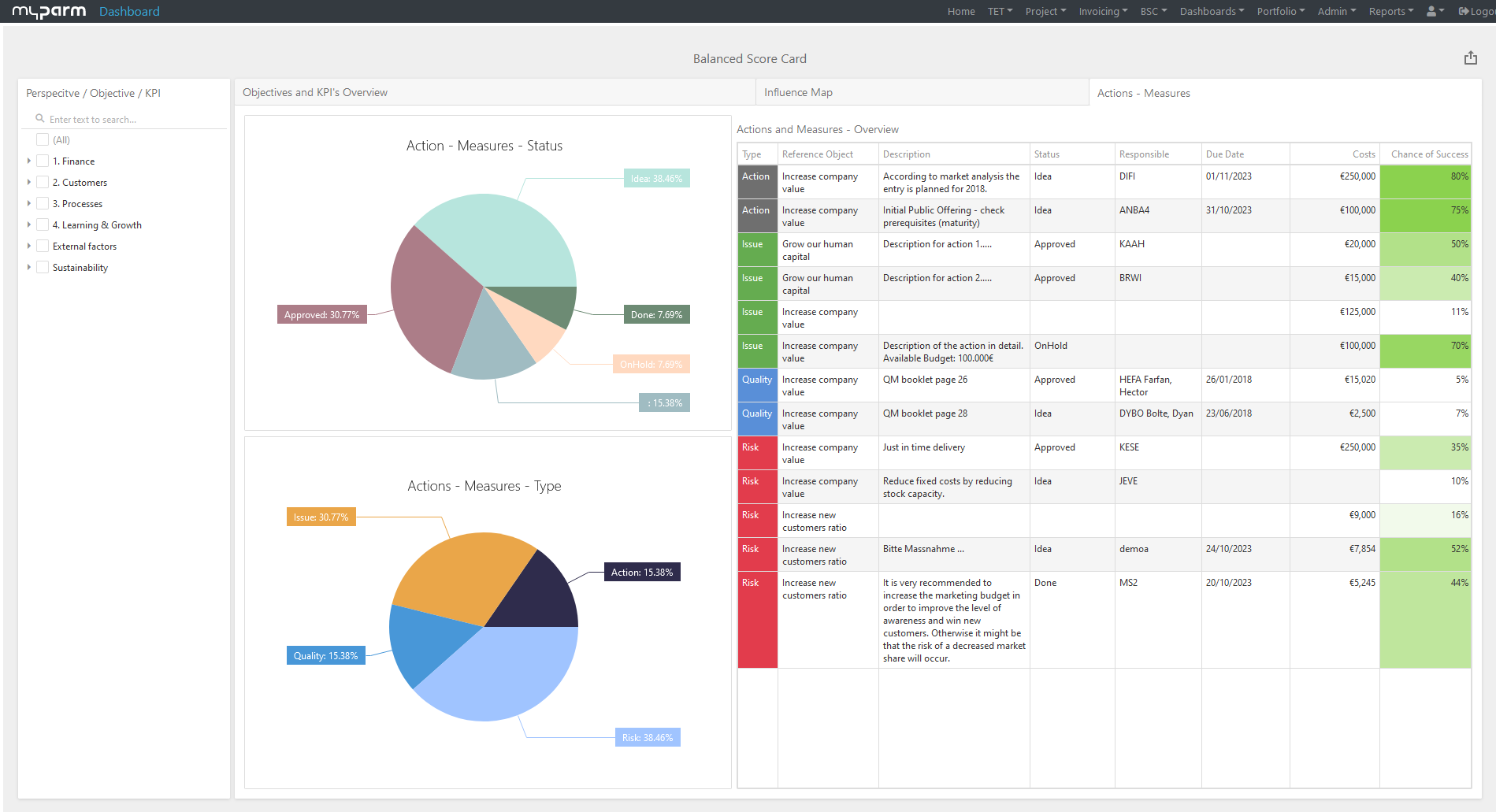
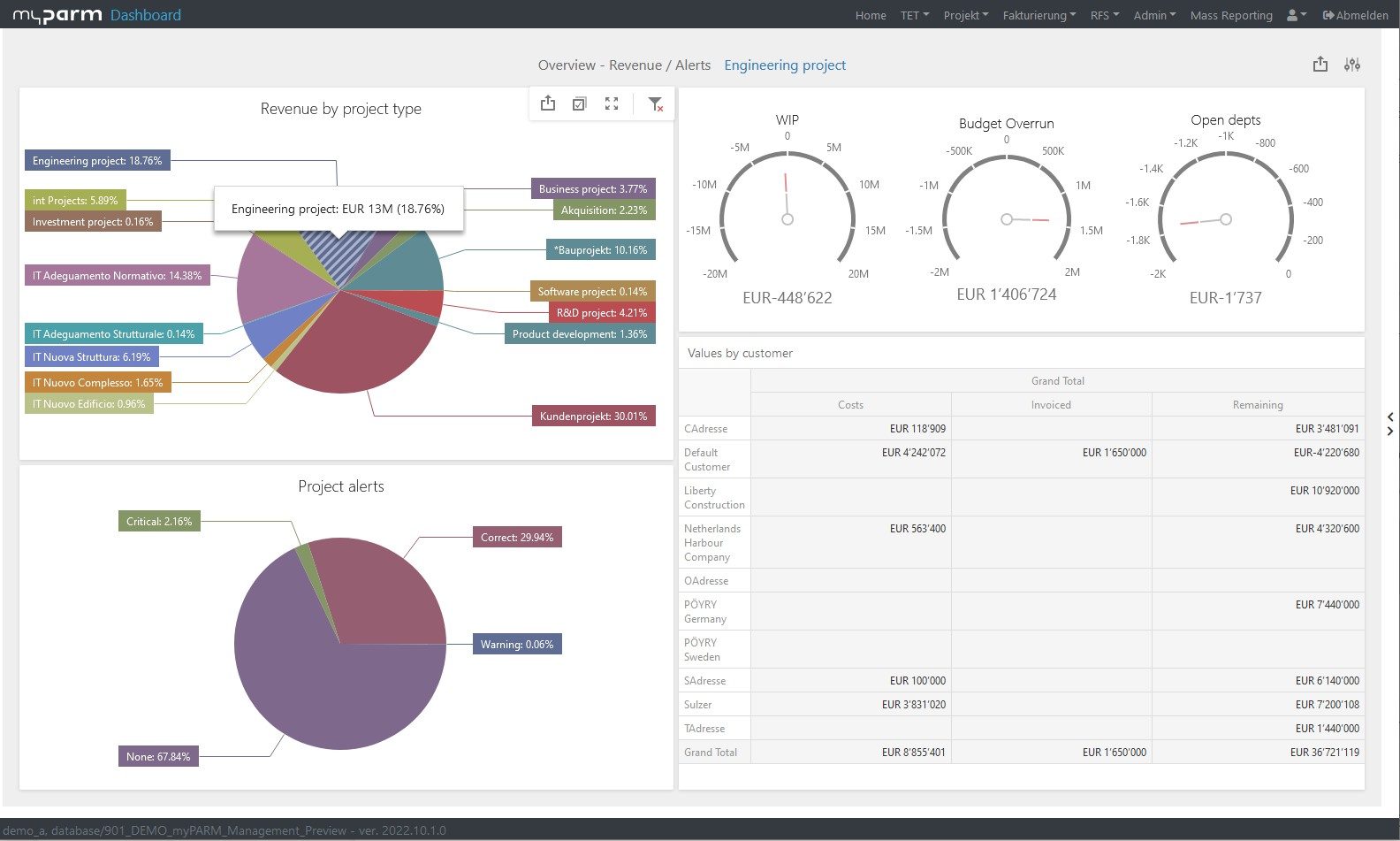
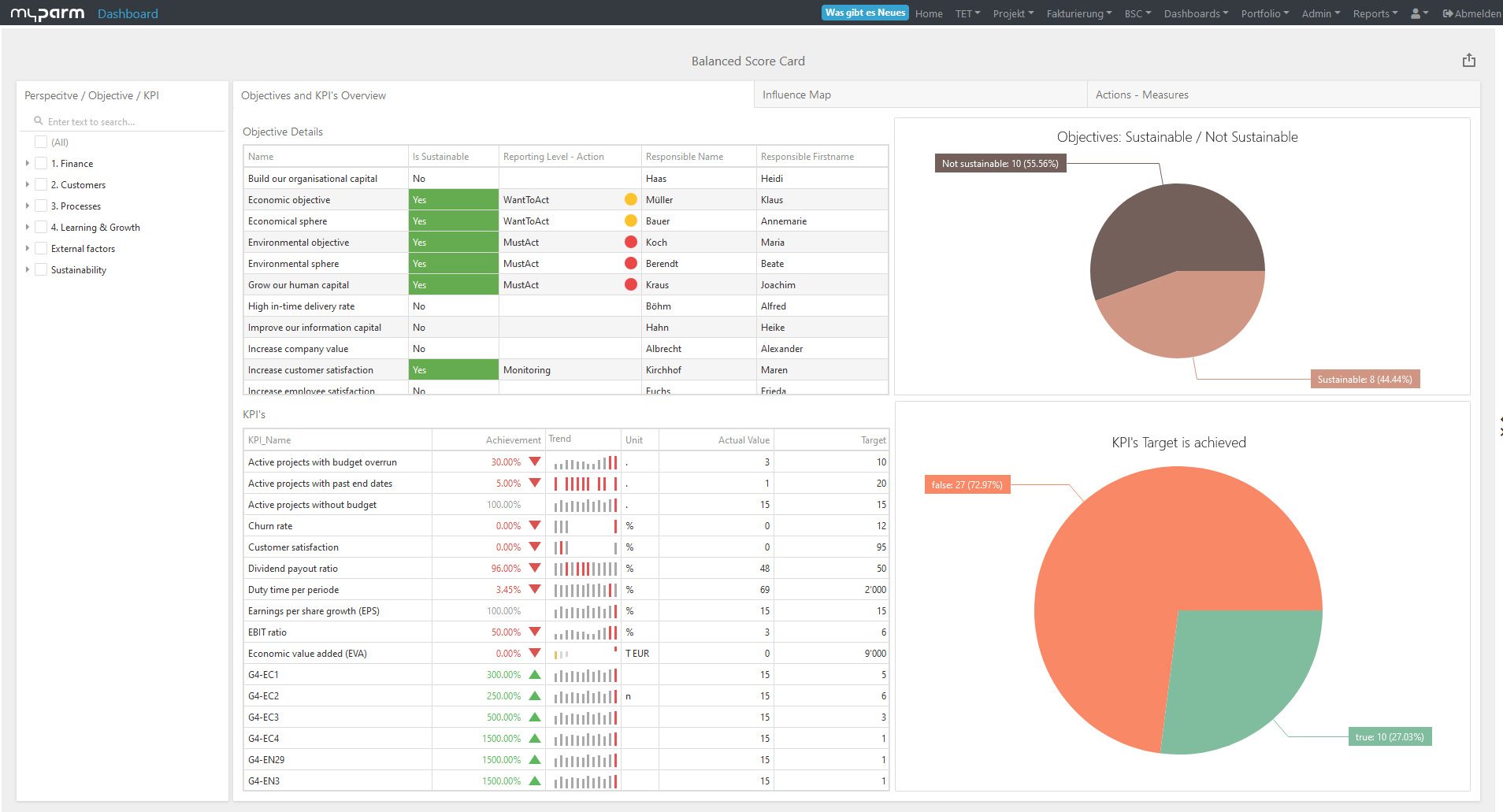
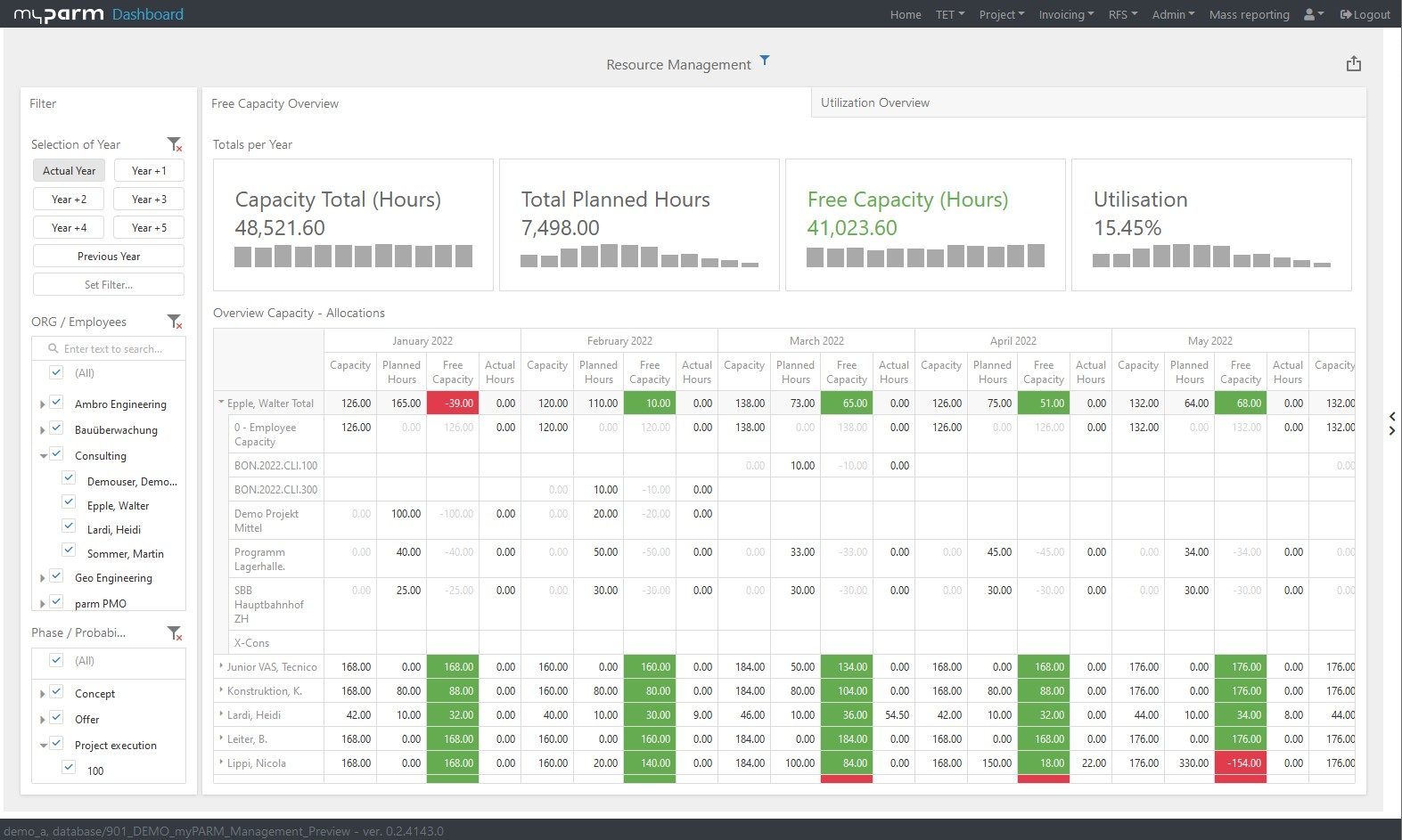

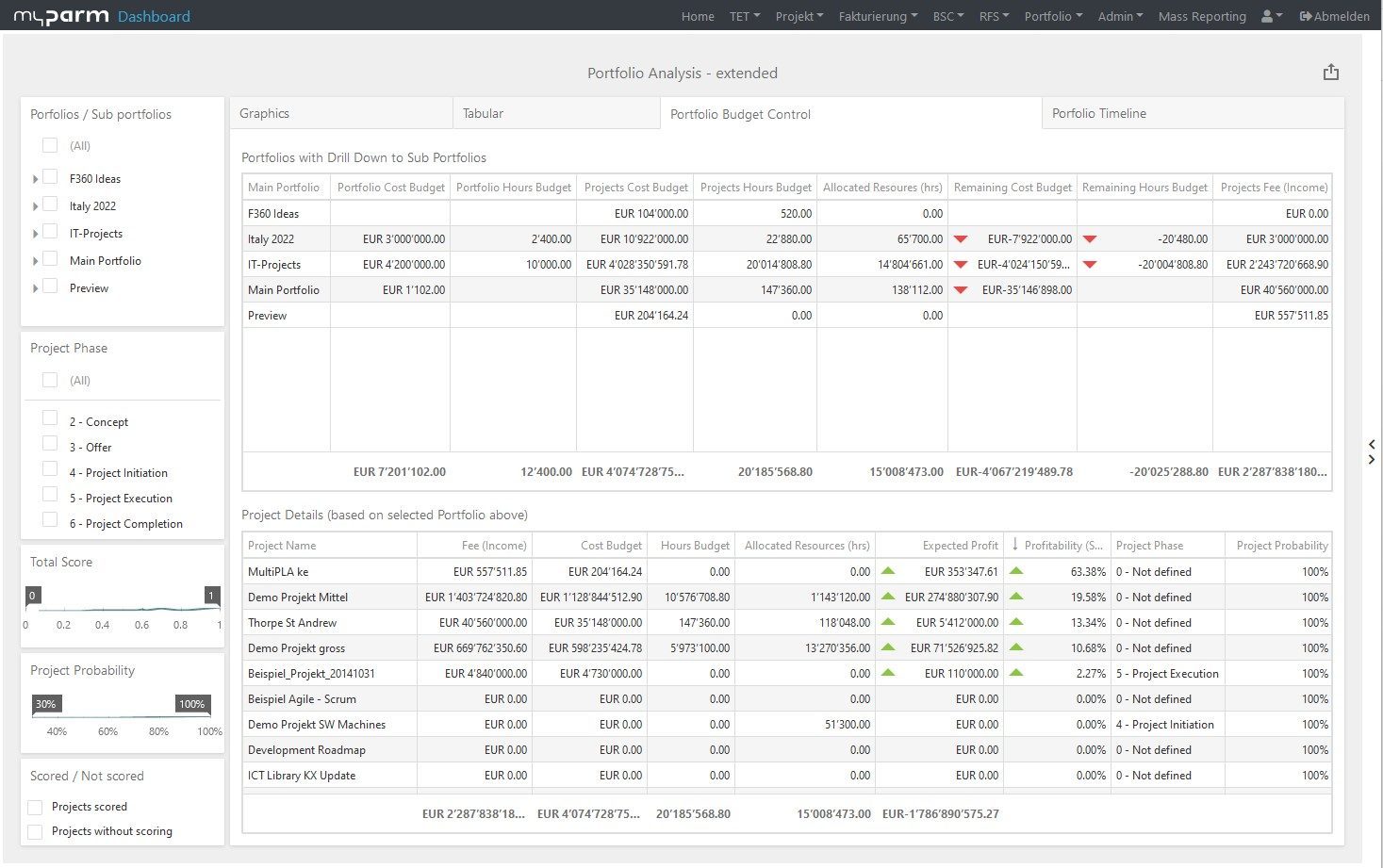
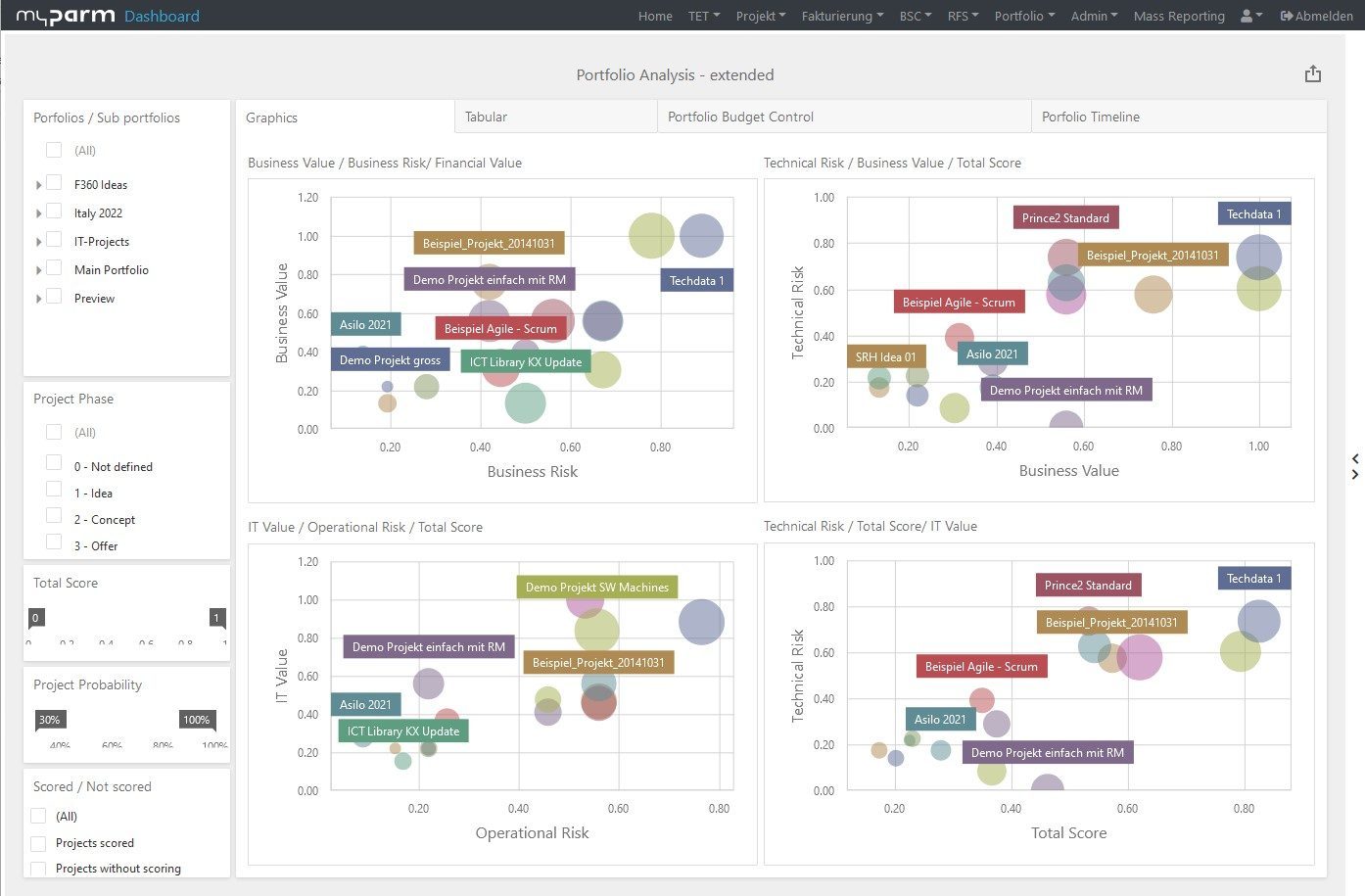
Visualizations can also be used in meetings to guide discussions, maintain an overview of all relevant aspects, or help team members keep track of topics in which they aren’t directly involved. These don’t necessarily have to be high-quality graphics or diagrams. Instead, it can also be helpful to jot down a list on a flip chart during the meeting, take minutes, or share your files on the screen.
3. effective communication and meetings
Clear and purposeful communication is the key to a focused team. Regular status updates and brief check-ins are therefore important for discussing progress and ensuring that the team remains on track. At the same time, however, it’s important to avoid information overload, as too much information can be distracting. Meetings should therefore be short and to the point to make the best use of the team’s time. Thorough preparation, a clear structure, and well-defined objectives help ensure that valuable work time isn’t wasted unnecessarily. To avoid unnecessary meetings, it helps to define the purpose of each meeting in advance, carefully consider who should attend, and ensure that all participants receive the necessary information beforehand.
Our tip: Die wenigsten Teilnehmenden werden es schaffen, einem langen Meeting dauerhaft konzentriert zuzuhören. Daher kann es sein, dass wichtige Punkte nicht richtig ankommen. Um dem entgegenzuwirken, hilft es, nach jedem Meeting die wichtigsten Punkte kurz zusammen zu fassen. Sätze wie «ich halte fest» oder «ich fasse zusammen» sorgen dabei dafür, dass die Aufmerksamkeit des Teams kurzfristig in die Höhe geht, und helfen Ihnen so den Fokus des Teams wieder auf das Thema zu lenken. Eine schriftliche Zusammenfassung stellt zudem sicher, dass alle Teammitglieder dieselben Informationen haben und nichts in Vergessenheit gerät, insbesondere wenn die Zusammenfassung klare Handlungspunkte für das Team festhält. Um die Zusammenfassung einfach zu erstellen kann ein Meetingprotokoll-Template genutzt werden, in dem schon während des Meetings die wichtigsten Punkte, Entscheidungen und Aufgaben festgehalten werden.
4. Transparent Status Monitoring
Regular and transparent monitoring of project progress is essential for keeping the team on track. Weekly status update meetings or daily stand-ups help ensure that everyone involved is up to date. By using progress-tracking tools (such as project management software or Kanban boards), project managers and the team can also keep track of completed and upcoming tasks. At the same time, regularly reviewing the status helps provide targeted feedback to the team and identify potential problems early on. This allows for measures to be taken that refocus the team on the project itself.
5. Foster a Sense of Responsibility and Initiative
To foster a sense of responsibility and initiative among team members, project managers should not only delegate tasks but also give them the freedom to make their own decisions and offer suggestions. It can therefore be helpful to assign employees responsibility for subprojects, individual tasks, or specific decisions. When team members feel a sense of responsibility and have the opportunity to implement their own ideas, they generally work with greater commitment and focus toward the project’s goals. This also helps employees achieve success, which in turn should be acknowledged and praised to further strengthen their sense of responsibility.
6. planning tasks in advance and managing time
Effective project planning involves not only assigning and prioritizing tasks, but also setting realistic timelines. Project managers should be sure to build in buffer time to account for unforeseen delays. However, forward-looking planning also means identifying potential bottlenecks early on and prioritizing resources accordingly. Techniques such as the Eisenhower Matrix (distinguishing between important and urgent tasks) or the Ivy Lee Method help set the right priorities and thus direct focus toward the most important tasks. Methods such as the Pomodoro Technique, “Eat That Frog,” timeboxing, or “Getting Things Done,” on the other hand, help you use your available work time effectively and stay focused on the project.
Conclusion
The success of a project hinges on the team’s ability to work in a focused and organized manner—despite all challenges and distractions. Clear goals, efficient communication channels, and transparent status tracking are essential for keeping the team on track. Combined with encouraging initiative and thoughtful time management, project managers create the optimal conditions for projects to be completed successfully and without stress.
The project management software myPARM ProjectManagement provides ideal support for effectively implementing these methods. With comprehensive features for project and task planning, real-time status reports, integrated communication tools, and a document management system, myPARM ensures that teams collaborate seamlessly and always stay on top of things.
Find out more about the myPARM project and portfolio management software:
Would you like to get to know myPARM in a demo? Then make an appointment with us right away!