



The digital control center of modern management: the management information system (MIS)
As a leader, you have to make decisions every day. These can be very simple decisions, but they can also be extremely complex ones that aren’t easy to make. However, with the right data as a foundation, it’s possible to make optimal decisions. Many leaders access this data through a management information system (MIS). We’ll explain why an MIS forms the backbone of modern corporate management and why executives should by no means do without such a powerful tool.
What is a Management Information System?
A management information system is much more than just software—it’s the digital nervous system of a company. In essence, an MIS is like an all-knowing assistant that provides you with exactly the information you need to make strategic decisions. It is, therefore, a computer-based system that collects and processes business data from various sources and transforms it into meaningful reports. In this way, an MIS acts as a bridge between the operational systems that manage day-to-day business and the executive level, which makes strategic decisions.
The Evolution of MIS
The history of MIS is closely linked to the development of computer technology. In the 1960s, when computers were still room-filling behemoths, companies began using them for simple tasks such as budgeting and order management. Over time, the systems became increasingly sophisticated. In the 1970s and 1980s, more advanced database technologies enabled more complex analyses. The 1990s brought a revolution in data networking with the advent of the Internet. Today, in the age of big data and artificial intelligence, MIS have evolved into highly complex, predictive systems that can not only analyze data but also forecast future trends.
Core tasks of an MIS
- Data Collection and Management: A modern MIS collects data from all areas of the company in real time. From sales figures to production statistics to customer feedback—nothing escapes its watchful eye. The real art, however, lies in integrating these various data sources. An effective MIS harmonizes data from ERP systems, CRM platforms, financial software, project management systems, and many other sources into a coherent, comprehensive picture.
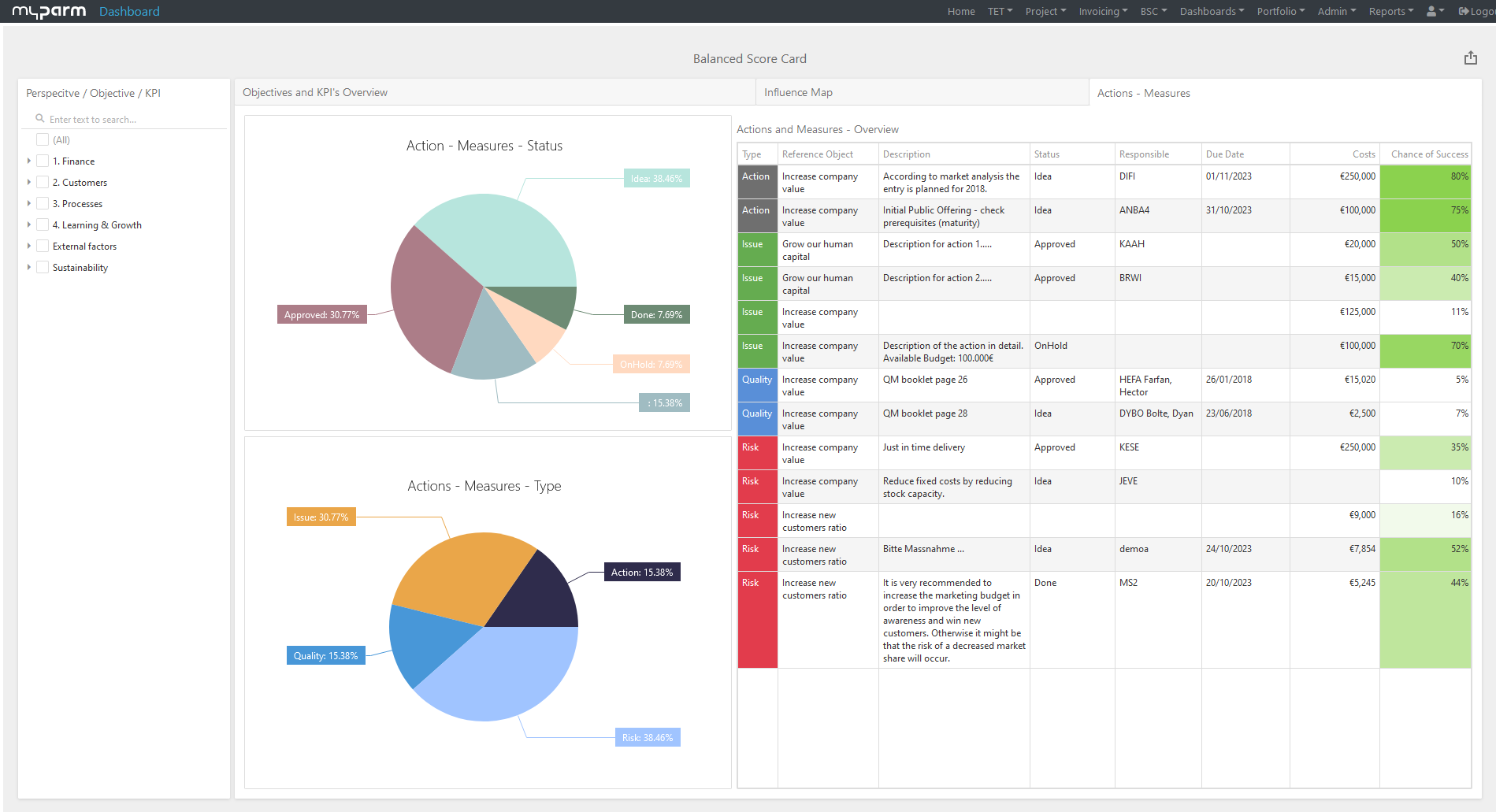
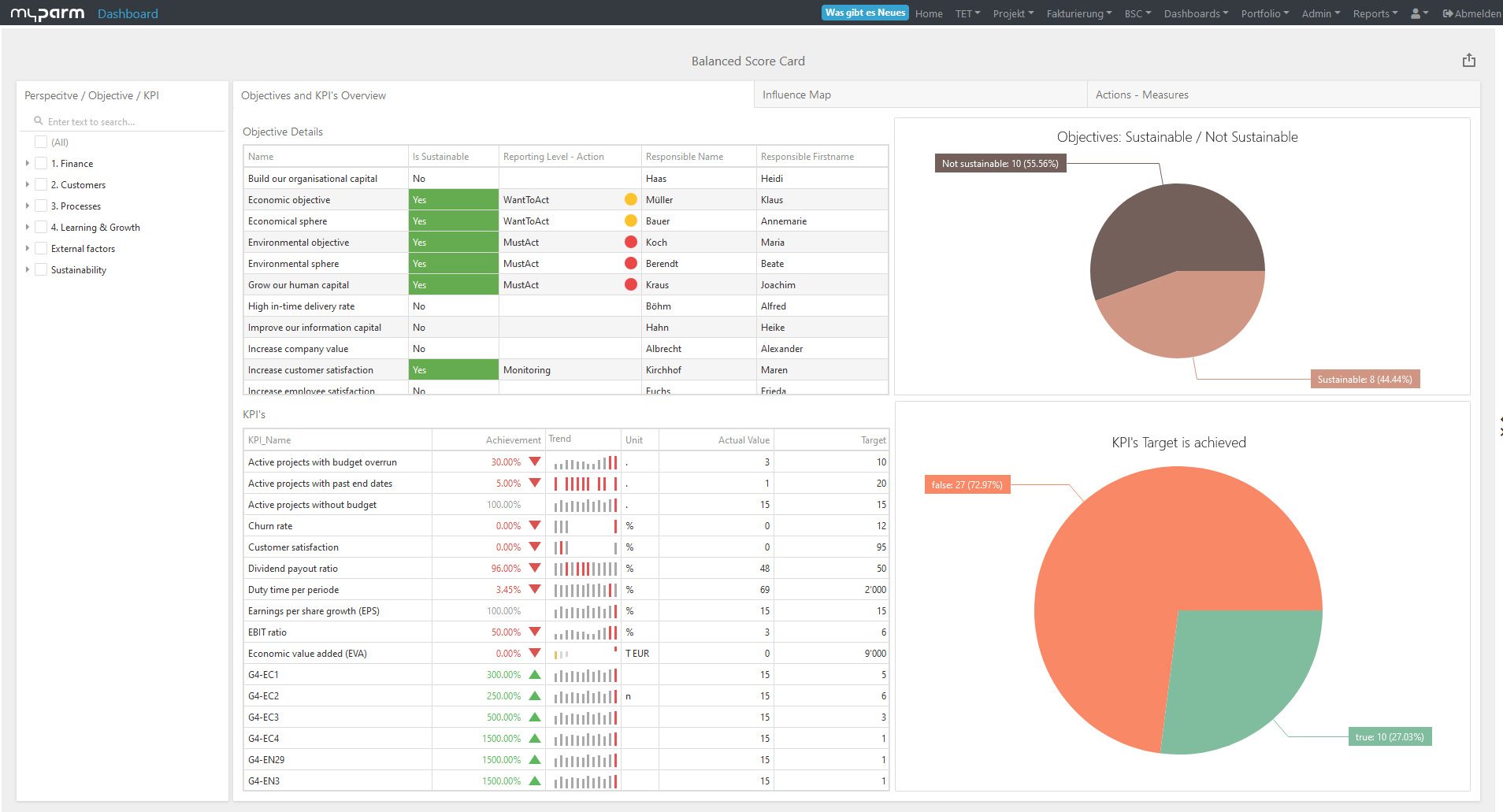
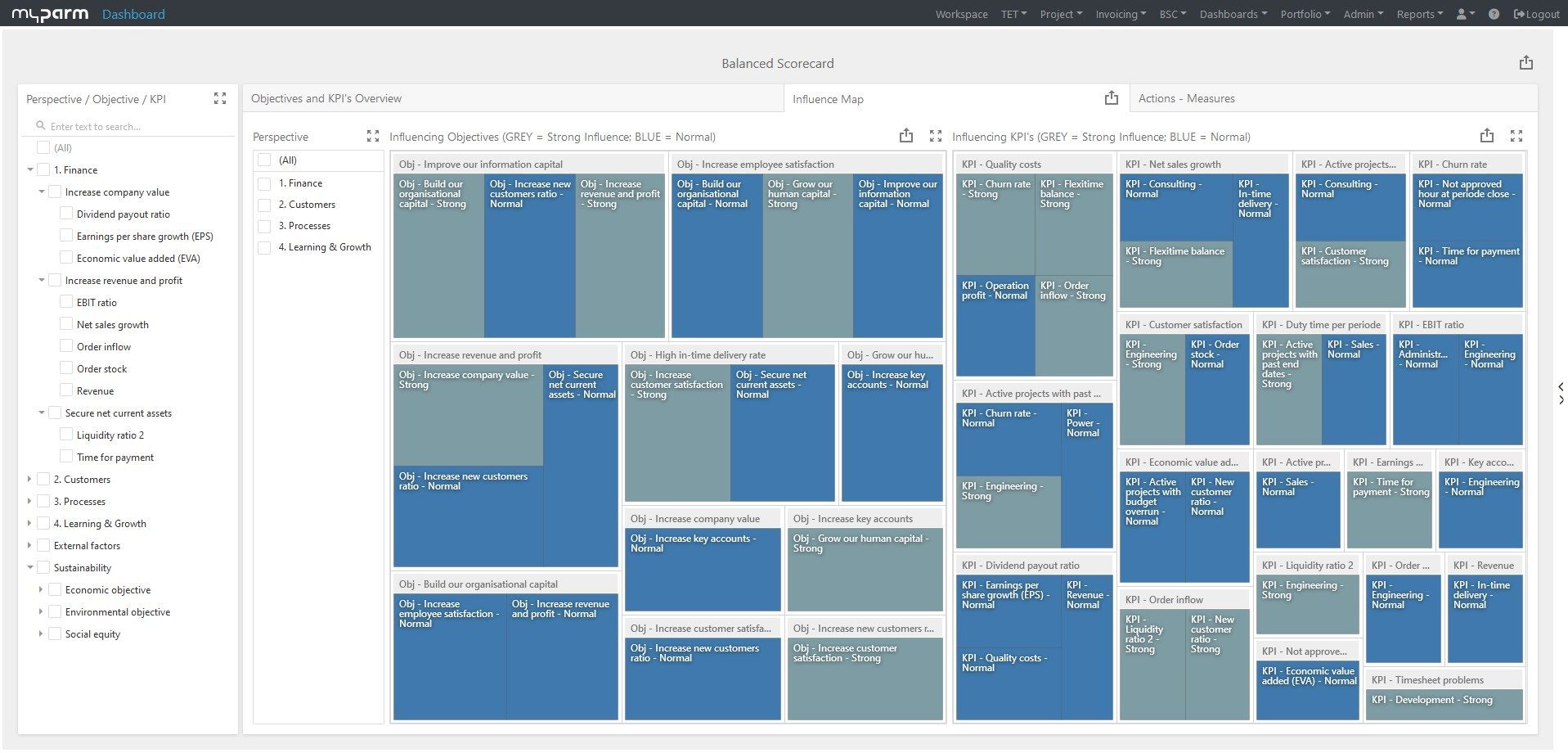
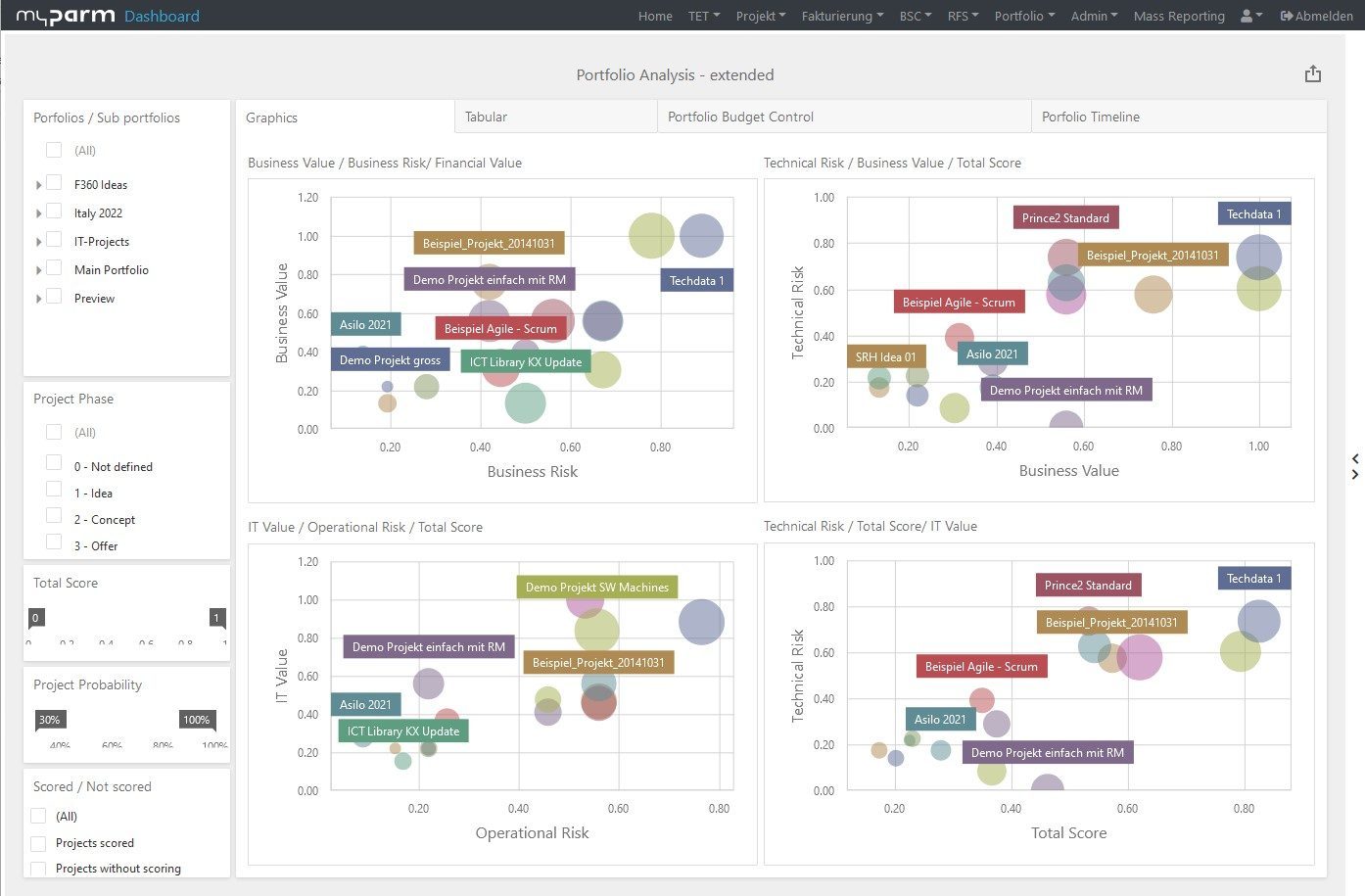
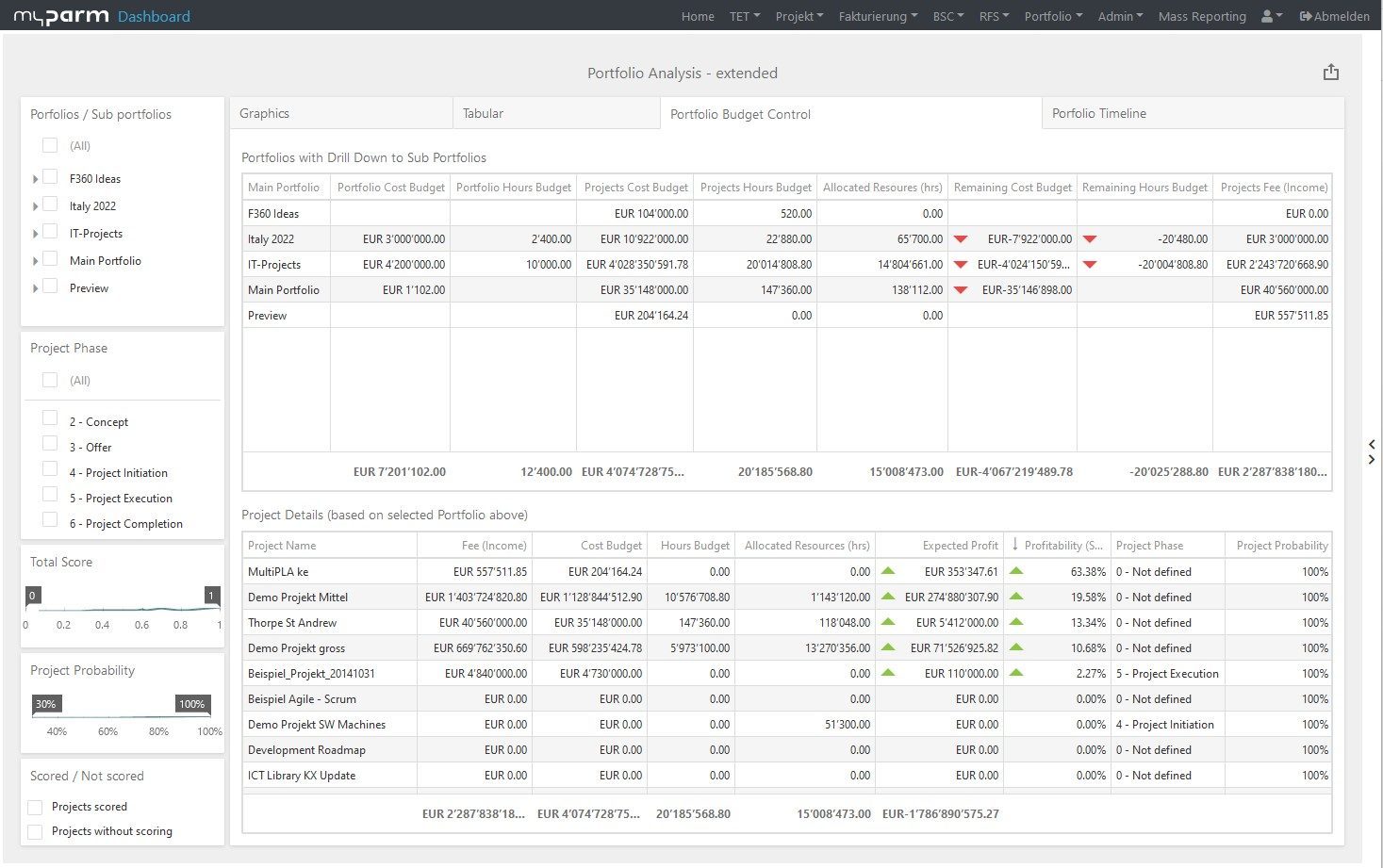
- Data Analysis and Reporting: The MIS then transforms from a data collector into a data analyst. It distills valuable insights from the mass of raw data. Modern MIS systems use advanced analytical methods such as data mining, statistical modeling, and machine learning to identify patterns and predict trends. Reporting often takes the form of dashboards—clear visualizations that show the status of key metrics at a glance. These can range from real-time displays of sales figures to complex financial forecasts or an early-warning system for risks and challenges.
- Decision Support: By collecting and analyzing data, the MIS serves as a strategic advisor to senior management. Some MIS systems not only provide data- and context-based analyses but can also directly recommend courses of action. For example, if sales figures are declining in a specific region, such an MIS could not only point out the underlying problem but also analyze possible causes (e.g., increased competitive activity or demographic changes) and propose solutions.
Advantages of an MIS
The advantages of a management information system are obvious. For one thing, the system provides an information advantage that enables executives to make decisions quickly. This speed can be crucial to a company’s success and, at the very least, give the company a competitive edge. For example, it allows for a very rapid response to market changes or new customer requirements. Furthermore, an MIS breaks down information silos, thereby providing a holistic overview of the company. This prevents important connections from being overlooked and fosters a comprehensive understanding of business dynamics. By automating data collection and analysis, an MIS also drastically reduces the time required to gather information. This allows executives to focus on interpreting the data and making decisions, enabling them to work more efficiently. Furthermore, an MIS can help minimize risk. By flagging potential problems early on, an MIS helps anticipate and manage risks. For example, it can predict supply bottlenecks or alert managers to changing market conditions.
MIS in Action
To illustrate the practical significance of an MIS, let’s look at an example from the logistics industry: Imagine you are the CEO of a global logistics company. Your MIS shows you the following on a central dashboard:
- Real-time fleet utilization, broken down by region and vehicle type.
- Fuel consumption and costs, with forecasts based on current market trends.
- Delivery times and customer satisfaction scores, with alerts for deviations from target values.
- Market analyses that highlight competitor activities and potential new business opportunities.
With this information, you can make informed decisions, such as:
- Planning investments in new, fuel-efficient vehicles.
- Optimizing routes based on real-time traffic and weather data.
- Adjust pricing strategies to market conditions and customer demand.
- Developing new services to capitalize on emerging market opportunities.

The future of MIS
The future of MIS promises to be both exciting and transformative. With advances in areas such as artificial intelligence, the Internet of Things (IoT), and quantum computing, management information systems are becoming even more powerful and proactive. Imagine an MIS that not only analyzes data but also makes autonomous decisions—such as a system that automatically adjusts inventory levels or optimizes marketing campaigns. Or consider an MIS that understands natural language and can answer complex business questions as if it were a human expert. The integration of augmented and virtual reality could revolutionize the way we interact with data. For example, you might be able to “walk through” a virtual representation of your company’s data and identify patterns that would remain hidden in traditional 2D representations.
Conclusion
A management information system is much more than just a technological tool—it is a strategic partner for your company. It transforms the vast flood of data collected every day in most companies into a clear stream of insights that helps you navigate safely through the turbulent waters of the business world.
The myPARM CorporateNavigator management software includes a management information system (MIS) that provides executives with a comprehensive view of their company. With additional features such as a balanced scorecard for strategy development and implementation, strategic portfolio management, and risk and opportunity management, myPARM CorporateNavigator helps decision-makers effectively manage their company and ensure its future success. The additional task management feature also helps assign strategic tasks directly to employees, monitor their status, and thus track the successful implementation of the strategy.
Find out more about the myPARM CorporateNavigator leadership software:
Would you like to get to know myPARM CorporateNavigator in a demo presentation? Then make an appointment with us right away!