


Construction Project Management: The Key Role in the Successful Completion of Construction Projects
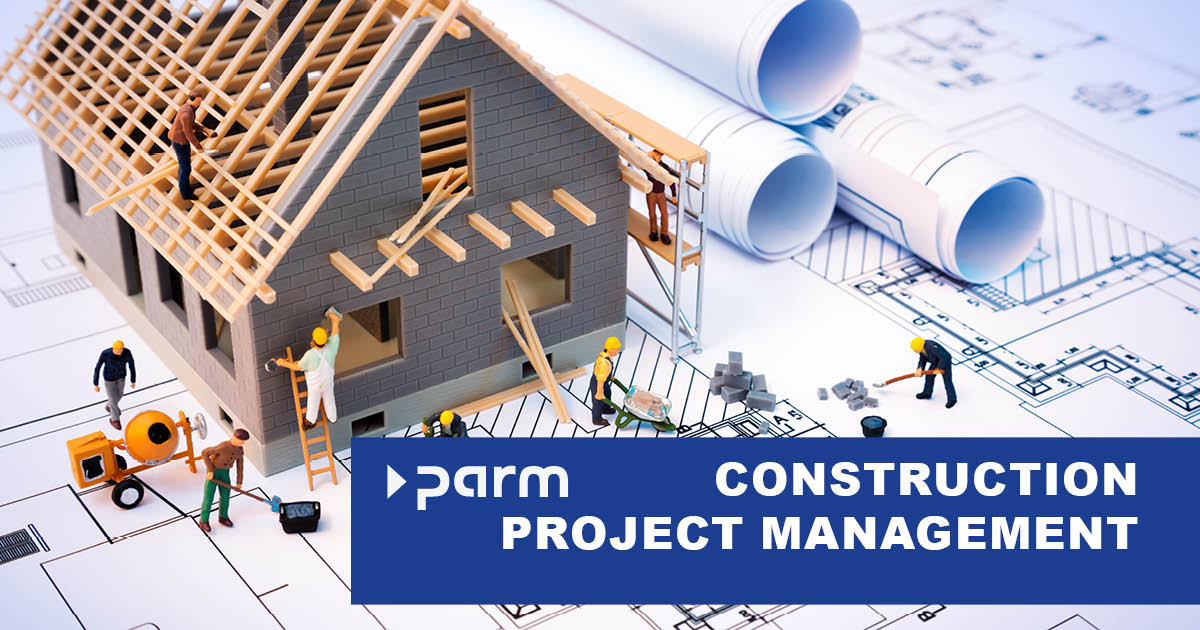
Effective construction project management is the key to successfully completing construction projects of any size and complexity. In an industry characterized by constant change, tight budgets, technological advancements, and tight schedules, meticulous coordination and oversight of all aspects of the project play a crucial role. From planning through completion, well-thought-out project management is essential to ensuring that the set objectives are met, whether in terms of time, budget, or quality.
What is construction project management?
Construction project management (CPM) refers to the systematic planning, organization, monitoring, and control of all aspects of a construction project from start to finish. It does not necessarily refer to a single project but can also mean the simultaneous execution of multiple projects. It helps project managers plan project work, oversee work processes during construction, evaluate results, and bring the project to a successful conclusion. The goal is to ensure the effective use of resources, time, and budget to achieve the project’s defined objectives. It involves organizing employees, contractors, materials, and processes to carry out the construction process smoothly and efficiently.
Special Challenges in Construction Project Management
Construction projects are typically linear projects. This is because, by their very nature, they must follow a fixed sequence of activities. For example, you cannot build a house until its foundation has been completed. In addition, special attention must be paid to project specifications and safety during construction to ensure its successful completion. However, what makes construction projects so special is the many different people who must collaborate closely, sometimes across different roles. In addition to the project manager, this includes, for example, the site manager, clients, engineers, architects, various subcontractors such as tradespeople, urban planners, civil engineers, and many others.
The following challenges are of particular importance:
- Communication: Clear communication is important in all projects. In construction project management, however, coordination is even more difficult than in many other projects due to the large number of stakeholders. But without good communication, misunderstandings or problems can arise.
- Deadlines and Dependencies: Most construction projects have clear deadlines for completion, so individual activities must also be completed by specific dates. This is especially important in construction project management, as many activities are interdependent. A delay on the critical path of a construction project can jeopardize the entire project.
- Scope: Even the smallest construction projects are often very extensive and take a long time to complete. However, large construction projects are carried out over several years. This makes planning such projects very complex and requires the project manager to think several weeks or months ahead, for example, to ensure that the necessary materials are delivered on time. In addition, the scope of the project may change during its execution.
- Risky: Due to the lengthy execution phase, construction projects are also associated with significant risks, which must be taken into account in project planning from the very beginning. From potential storms to price increases or the withdrawal of key service providers, the risks are countless. Therefore, effective risk management is essential.
- Project Costs: In addition to completing the project on time, project costs are a key factor in determining whether a construction project can be carried out successfully. However, due to the scale of the projects and the lengthy execution phase, it can be difficult to keep costs under control at all times.
- Permits and Regulations: In construction projects, it is especially important to obtain all necessary permits and strictly comply with (local) building codes, for example regarding workplace safety or environmental requirements. Especially when a project may already be behind schedule, you may be tempted to turn a blind eye to these issues. However, this is not advisable, as failures in these areas can bring the construction project to a complete halt.
- Resource Shortages: It is often cited everywhere: the shortage of skilled labor. However, in construction projects in particular, a lack of skilled workers—or having very few available—can cause problems, as the project cannot be completed within the planned timeframe. However, a shortage of key materials or of equipment and machinery has equally serious consequences for the project’s progress.
The Phases of Construction Project Management
The phases of a construction project can be divided into five main stages, from start to finish.
1. Initialization:
Construction projects also begin with the initiation phase, during which the project requirements are determined and how they should be met. Especially in the case of large-scale construction projects, it is advisable to conduct a feasibility study during this phase to determine whether the project is feasible.
- Project Concept: In this phase, the concept for the construction project is developed. This may be based on demand analysis, market research, or other factors.
- Project Objectives: Clearly defined objectives are established to measure the project's success. This includes deadlines, budgets, quality standards, and much more.
- Feasibility Study: A detailed analysis is conducted to assess the project's feasibility in terms of financial, technological, legal, and environmental impact considerations.
- Project Concept: A clear concept is developed to outline the scope and direction of the project.
2. Planning:
Once the first phase is complete, it is time to delve deeper into project planning, as this helps avoid many difficulties that may arise during the course of a project. The main objective of project planning is to obtain the best possible overview of a project’s timelines and tasks, the necessary resources, and the costs. This facilitates subsequent monitoring of the project during its execution and communication with all stakeholders. Furthermore, it allows delays to be quickly identified or avoided altogether. This project plan includes
- Project Definition: Detailed specifications that identify the project's scope, requirements, and key stakeholders.
- Scheduling: A detailed schedule covers all phases of the project, including milestones and the critical path. The project plan is typically presented as a Gantt chart, as this allows for the display of deadlines and key dependencies. Detailed task planning can be carried out, for example, using a Kanban board.
- Resource planning: All necessary resources, including labor, materials, and budgets, are allocated and scheduled to project phases or individual tasks. This determines who is responsible for a given task and when it must be completed, as well as, for example, what materials must be provided for a given task and when.
- Budget Planning: Determining the budget is one of the most important cornerstones of a construction project, since staying within budget determines whether a project can be successfully completed, in addition to meeting the schedule and finishing construction. Accurate budget planning makes it easier to control project costs during construction.
- Communication Plan: To ensure effective communication throughout your project, you can develop a communication plan as early as the planning phase. It specifies when and how you will keep the many stakeholders in your construction project informed.
- Risk Management: Construction projects are often exposed to numerous risks due to their lengthy construction phases and complexity. That is why it is important to identify potential risks during the planning phase, assess their impact, and develop strategies to minimize or overcome them. You probably won’t be able to avoid all difficulties, but at least you’ll be prepared for the biggest risks.
Version 3:
Now that the project has been carefully planned, tasks have been assigned, and risks have been analyzed, it is time to move on to the construction phase itself.
- Construction management: This phase marks the start of the actual implementation of the project. The construction management team oversees the work and coordinates all parties involved.
- Quality Control: At the same time, it is important to continuously monitor whether the construction work meets the specified quality standards and requirements.
- Communication: One of the most important tasks of the project manager during this phase is to ensure effective communication among all project participants. Only when there are no misunderstandings or communication problems can highly complex construction projects be carried out smoothly.
- Project oversight: Regular monitoring of project progress and adherence to the schedule, budget, and quality standards is also part of a construction project manager’s responsibilities. If necessary, the project manager will make the necessary adjustments.
- Change Management: During the course of a construction project, changes may also occur in the project’s scope or requirements. In such cases, the project manager is responsible for planning and communicating the changes to ensure that the project stays on track.
4. Commissioning and delivery to the customer
Once the building is completed, it can be put into operation and handed over to the client. This phase is typically divided into three steps:
- Internal inspection: To ensure that the construction project fully meets the requirements, an internal inspection is first conducted. Time is spent thoroughly examining and testing the building before it is presented to the client. If any errors remain, they are recorded in a list of defects, which must then be addressed.
- Inspection with the client: The completed construction project can now be presented to the client. The client will also inspect it thoroughly to identify any defects before accepting the work.
- Handover: Once all defects have been corrected, the completed construction project is handed over to the client. However, depending on the construction project and the contract, the project is not yet fully completed, as the warranty provisions still apply.
5. Conclusion:
Once all warranty periods have expired, the construction project management is complete, as all obligations to the client have been fulfilled. The final step is to finalize the project documentation. To this end, a final project report must be prepared, and a briefing session on the project must be organized. This allows you to leverage the knowledge gained from the completed project for your next construction project.
- Documentation: Creation and compilation of all relevant documents, such as construction drawings and final reports.
- Final Report: Assessment of the project's success, including the achievement of objectives and budgetary targets.
- Project Closing Ceremony: A project closing ceremony should also be held to mark the official end of the project and recognize the participating teams.
Conclusion
Construction project management plays a decisive role in the success of construction projects. From start to finish, it requires careful planning, effective coordination, and continuous monitoring to meet deadlines, control budgets, and comply with quality standards. The specific challenges associated with construction projects make structured project management even more essential to minimize potential risks and ensure that everything proceeds smoothly.
Comprehensive project management software such as myPARM can provide valuable support in managing construction projects. The software simplifies the effective planning, monitoring, and control of all aspects of the project while enabling communication with all stakeholders through a central hub. The integration of features such as schedule and resource planning, budget control, and risk management also makes it possible to manage large construction projects. At the same time, the multi-project Gantt chart, for example, provides a quick overview if you are managing multiple projects simultaneously.
However, for the construction industry, the ability to store sales and fee schedules within the program is particularly important. This makes it possible to prepare accurate and transparent estimates and invoices that comply with the specific requirements and standards of the construction industry.
More information about the myPARM project and portfolio management software:
Would you like to see a demo of myPARM? Then schedule an appointment with us today!